
What is Epoxy Flooring? & Different Types of Epoxy Floor Coatings
Epoxy flooring is a durable and versatile solution for both residential and commercial spaces. Whether you’re upgrading your garage or enhancing a commercial property, epoxy coatings offer superior strength and aesthetics. If you’re considering epoxy flooring, Pristine Coatings provides professional installation services tailored to your needs.
Understanding Epoxy Flooring
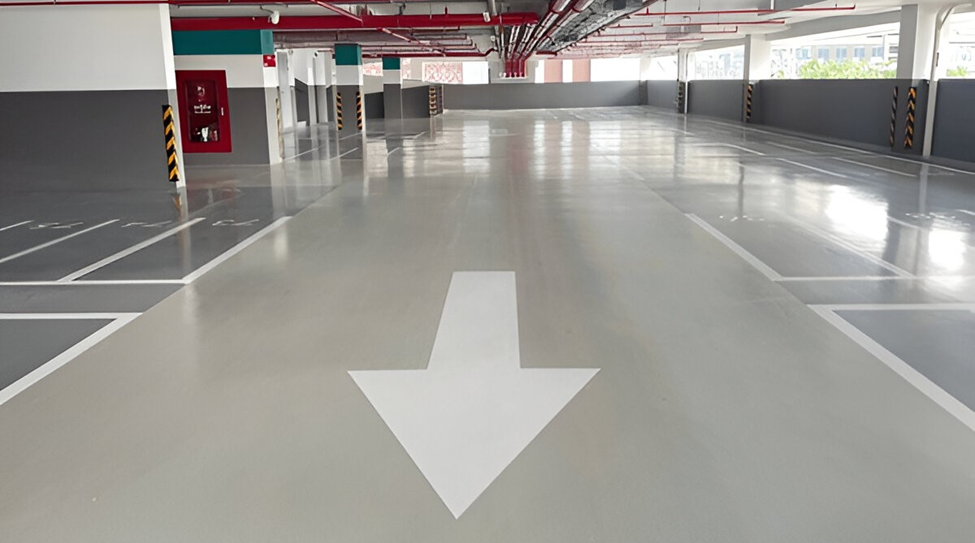
Epoxy flooring consists of a resin and a hardener that chemically bond to create a strong, seamless surface. This type of flooring is resistant to stains, moisture, and heavy impacts, making it a popular choice for garages, warehouses, and industrial spaces.
Benefits of Epoxy Flooring
Durability: Withstands heavy traffic and machinery.
Chemical Resistance: Ideal for industrial applications.
Aesthetic Appeal: Available in various colors and finishes.
Easy Maintenance: Simple to clean and maintain.
Cost-Effective: Long-lasting with minimal repairs required.
Different Types of Epoxy Floor Coatings
Choosing the right epoxy coating depends on the intended use and environmental conditions. Below are the most common types of epoxy flooring:
Self-Leveling Epoxy Floors
Ideal for creating smooth, seamless surfaces.
Commonly used in commercial spaces, garages, and kitchens.
Provides a high-gloss finish.
Epoxy Mortar Flooring
The strongest epoxy system available.
Used in industrial settings and areas with heavy machinery.
Resistant to extreme impact and harsh chemicals.
Quartz-Filled Epoxy Flooring
Incorporates quartz grains for enhanced durability.
Ideal for locker rooms, restrooms, and commercial kitchens.
Offers excellent slip resistance.
Anti-Static Epoxy Flooring
Designed for environments where static-sensitive electronics are used.
Common in laboratories, data centers, and healthcare facilities.
Prevents electrostatic charge build-up.
Epoxy Flake Flooring
Contains decorative flakes for added texture.
Popular in showrooms, garages, and recreational spaces.
Slip-resistant and aesthetically appealing.
Metallic Epoxy Flooring
Provides a stunning, marble-like finish.
Used in retail stores, luxury homes, and offices.
Creates a unique, high-end appearance.
How to Choose the Right Epoxy Flooring?
When selecting epoxy flooring, consider the following factors:
Usage: Determine whether the area experiences high foot traffic or chemical exposure.
Aesthetic Needs: Choose from solid colors, metallic finishes, or decorative flakes.
Budget: Some coatings, like metallic epoxy, may be more expensive than standard options.
Slip Resistance: For wet environments, opt for textured coatings.
For expert advice on the best epoxy solution for your space, visit Pristine Coatings.
Why Choose Professional Epoxy Flooring Installation?
While DIY epoxy kits exist, professional installation ensures:
Proper Surface Preparation: A clean, prepped surface is crucial for adhesion.
High-Quality Materials: Professionals use industrial-grade epoxy.
Expert Application: Ensures a long-lasting, flawless finish.
Time Efficiency: Saves you from costly mistakes and reapplications.
If you’re looking for expert epoxy flooring installation, check out these services:
epoxy flooring details, epoxy material for flooring, use of epoxy flooring, epoxy flooring information, what is epoxy flooring, what is epoxy floor coating, epoxy floor materials, types of epoxy floors
Understanding Epoxy Flooring: A Comprehensive Overview
Epoxy flooring is a versatile and resilient flooring solution that combines aesthetic appeal with functionality. It is composed of a mixture of resin and hardener, which cures to form a durable surface. This type of flooring is particularly valued in environments that demand high performance, such as industrial settings, commercial spaces, and residential garages.
With various types of epoxy flooring available, including self-leveling, metallic, and decorative flake options, users can select a finish that meets both their practical needs and design preferences. Understanding the differences between these types can help consumers make informed decisions about their flooring projects.
Benefits of Professional Epoxy Flooring Installation
While DIY epoxy kits are available, professional installation offers numerous advantages that ensure the longevity and effectiveness of the flooring. Experts in epoxy application have the knowledge and experience to properly prepare surfaces, which is crucial for achieving optimal adhesion and durability.
Additionally, professional installers can provide valuable insights into the best products and techniques for specific environments, helping to avoid common pitfalls that may arise during a DIY project. This expertise can ultimately save time and money, making professional installation a worthwhile investment.
Choosing the Right Epoxy Flooring for Your Space
Selecting the appropriate epoxy flooring involves considering several factors, including the intended use of the space, foot traffic levels, and exposure to chemicals or moisture. For instance, areas with high foot traffic may benefit from thicker, more durable coatings, while spaces exposed to spills may require slip-resistant finishes.
Moreover, aesthetic considerations such as color, texture, and design can significantly impact the overall look of the space. By evaluating both functional and aesthetic needs, consumers can choose epoxy flooring that enhances their environment while meeting practical requirements.
Maintenance Tips for Epoxy Flooring
Maintaining epoxy flooring is essential for preserving its appearance and functionality over time. Regular cleaning with a mild detergent and water can help remove dirt and stains, while avoiding harsh chemicals that could damage the surface. Additionally, it’s important to promptly address any spills or scratches to prevent deterioration.
Routine inspections can also help identify any potential issues, allowing for timely repairs and ensuring the flooring remains in optimal condition. By following these maintenance tips, users can extend the life of their epoxy flooring and enjoy its benefits for years to come.
epoxy flooring details, epoxy material for flooring, use of epoxy flooring, epoxy flooring information, what is epoxy flooring, what is epoxy floor coating, epoxy floor materials, types of epoxy floors
Understanding Epoxy Flooring: A Comprehensive Overview
Epoxy flooring is a versatile and resilient flooring solution that combines aesthetic appeal with functionality. It is composed of a mixture of resin and hardener, which cures to form a durable surface. This type of flooring is particularly valued in environments that demand high performance, such as industrial settings, commercial spaces, and residential garages.
With various types of epoxy flooring available, including self-leveling, metallic, and decorative flake options, users can select a finish that meets both their practical needs and design preferences. Understanding the differences between these types can help consumers make informed decisions about their flooring projects.
Benefits of Professional Epoxy Flooring Installation
While DIY epoxy kits are available, professional installation offers numerous advantages that ensure the longevity and effectiveness of the flooring. Experts in epoxy application have the knowledge and experience to properly prepare surfaces, which is crucial for achieving optimal adhesion and durability.
Additionally, professional installers can provide valuable insights into the best products and techniques for specific environments, helping to avoid common pitfalls that may arise during a DIY project. This expertise can ultimately save time and money, making professional installation a worthwhile investment.
Choosing the Right Epoxy Flooring for Your Space
Selecting the appropriate epoxy flooring involves considering several factors, including the intended use of the space, foot traffic levels, and exposure to chemicals or moisture. For instance, areas with high foot traffic may benefit from thicker, more durable coatings, while spaces exposed to spills may require slip-resistant finishes.
Moreover, aesthetic considerations such as color, texture, and design can significantly impact the overall look of the space. By evaluating both functional and aesthetic needs, consumers can choose epoxy flooring that enhances their environment while meeting practical requirements.
Maintenance Tips for Epoxy Flooring
Maintaining epoxy flooring is essential for preserving its appearance and functionality over time. Regular cleaning with a mild detergent and water can help remove dirt and stains, while avoiding harsh chemicals that could damage the surface. Additionally, it’s important to promptly address any spills or scratches to prevent deterioration.
Routine inspections can also help identify any potential issues, allowing for timely repairs and ensuring the flooring remains in optimal condition. By following these maintenance tips, users can extend the life of their epoxy flooring and enjoy its benefits for years to come.