Enhancing Garage Floor Refinishing with Polyaspartic Coatings
Polyaspartic Garage Floor Refinishing: Fast, Durable Coatings

How Polyaspartic Floor Coating Enhances Garage Floor Refinishing Projects for Durable and Fast-Curing Solutions
By Jeff Grande, Pristine Epoxy Floor Coatings
Polyaspartic floor coating delivers a combination of high abrasion resistance, fast cure rates, and strong visual finish suited to garage refinishing. This article explains the material’s defining properties, outlines how it compares with traditional epoxy systems, and clarifies the benefits for homeowners and contractors. You will learn how polyaspartic systems protect concrete from wear and chemical exposure, the professional application steps that secure long-term adhesion, routine maintenance to maximise service life, and the cost factors that affect return on investment. We also examine why selecting an experienced provider like Pristine Epoxy Floor Coatings influences project outcomes.
A practical case study demonstrates the application methodology and performance attributes of polyaspartic coatings in residential garage installations.
Polyaspartic Coatings for Residential Garage Floors
This case history documents a polyaspartic coating applied to a residential garage floor in the Mid-Atlantic region of the United States. It describes the material attributes and the site application process and is titled: Case History: Site-Applied Decorative Polyaspartic Flooring in a Residential Garage Floor Application, 2014.
The benefits of Polyaspartic Floor Coating for garage floor refinishing projects include:
Polyaspartic floor coatings deliver measurable advantages that support long-term performance and faster project completion. Key benefits include improved chemical and abrasion resistance, accelerated cure schedules, and a customizable finish palette suitable for residential garages.
- Durability: Polyaspartic coatings are highly resistant to abrasions, chemicals, and UV damage, ensuring that the garage floor remains intact and visually appealing over time.
- Fast-Curing Solutions: Unlike traditional epoxy, which can take days to cure fully, polyaspartic coatings cure quickly, often within hours, allowing for faster project completion and minimal downtime.
- Overall Enhancements: The aesthetic flexibility of polyaspartic coatings allows for various finishes and colors, enabling homeowners to customize their garage floors to match their style.
Consulting with experienced professionals such as Pristine Epoxy Floor Coatings provides precise guidance on specification, substrate preparation, and finish selection to achieve durable results.
What Is Polyaspartic Floor Coating and How Does It Differ from Epoxy?
Polyaspartic floor coating is a form of polyurea formulated with aliphatic chemistries that prioritise UV stability and flexibility. Its chemical structure and crosslinking behaviour yield faster reaction kinetics and superior resistance to yellowing compared with many epoxy formulations.
By contrast, epoxies are typically slower to cure and can be more vulnerable to UV-induced degradation. The rapid cure profile of polyaspartic systems enables shorter project windows and faster return to service, which contractors often value for scheduling and customer satisfaction.
Industry observations consistently note cure-time and finish-quality advantages when comparing polyaspartic systems to conventional epoxy coatings.
Polyaspartic vs. Epoxy: Faster Curing & Enhanced Durability
Epoxy remains the workhorse of floor coatings, but it has well-known drawbacks, including long cure times, brittleness, and poor UV resistance. Polyaspartics address these shortcomings, offering rapid cure, flexibility, and excellent UV stability. Epoxy installers often find that switching to polyaspartic systems allows them to complete projects faster and offer a more durable, aesthetically pleasing finish.
Fast-Curing Polyaspartic Floor Coatings Are Gaining Ground, 2026
Chemical Properties and Fast Curing Benefits of Polyaspartic Coatings
Polyaspartic formulations exhibit strong adhesion to prepared concrete, a factor that directly affects coating longevity. Their reaction kinetics support rapid film formation, which can reduce turnaround to operational readiness and limit homeowner disruption.
These coatings also resist moisture ingress and maintain flexibility across temperature ranges, which reduces the likelihood of cracking or delamination under typical garage loading conditions.
Controlled studies and application data reinforce the rapid curing and durable protection properties of polyaspartic systems for concrete substrates.
High-Performance Polyaspartic Coatings: Rapid Curing & Durability
This study designed two polyaspartic ester polyurea coatings, PAE-PTMEG and PAE-PPG, with different soft segments, and investigated their mechanical properties, thermal stability, and corrosion resistance. In summary, PAE-PTMEG integrated rapid curing, high-strength-toughness, and durable corrosion resistance, making it a promising material for concrete protection.
Preparation of High-Performance Polyaspartic Polyurea and Application in Hydraulic Concrete Protection, 2026
Comparing Polyaspartic and Epoxy Flooring: Durability and UV Resistance

Performance comparisons focus on mechanical durability and resistance to UV-induced ageing. Polyaspartic systems generally show superior retention of gloss and colour and greater resistance to chipping and impact than many epoxy alternatives.
- Durability: Polyaspartic coatings are less prone to chipping and cracking, making them ideal for high-traffic areas.
- UV Resistance: The aliphatic nature of polyaspartic coatings ensures they remain clear and vibrant, resisting yellowing and degradation from sunlight exposure.
Those performance characteristics explain why contractors and property owners increasingly specify polyaspartic coatings for garage refinishing projects.
How Does Polyaspartic Floor Coating Improve Garage Floor Refinishing Projects?
Polyaspartic coatings improve refinishing projects by combining durable surface protection with rapid cure cycles, which shortens downtime and reduces labour staging costs. The material’s resistance to common garage stressors helps preserve the slab and reduce long-term maintenance spend.
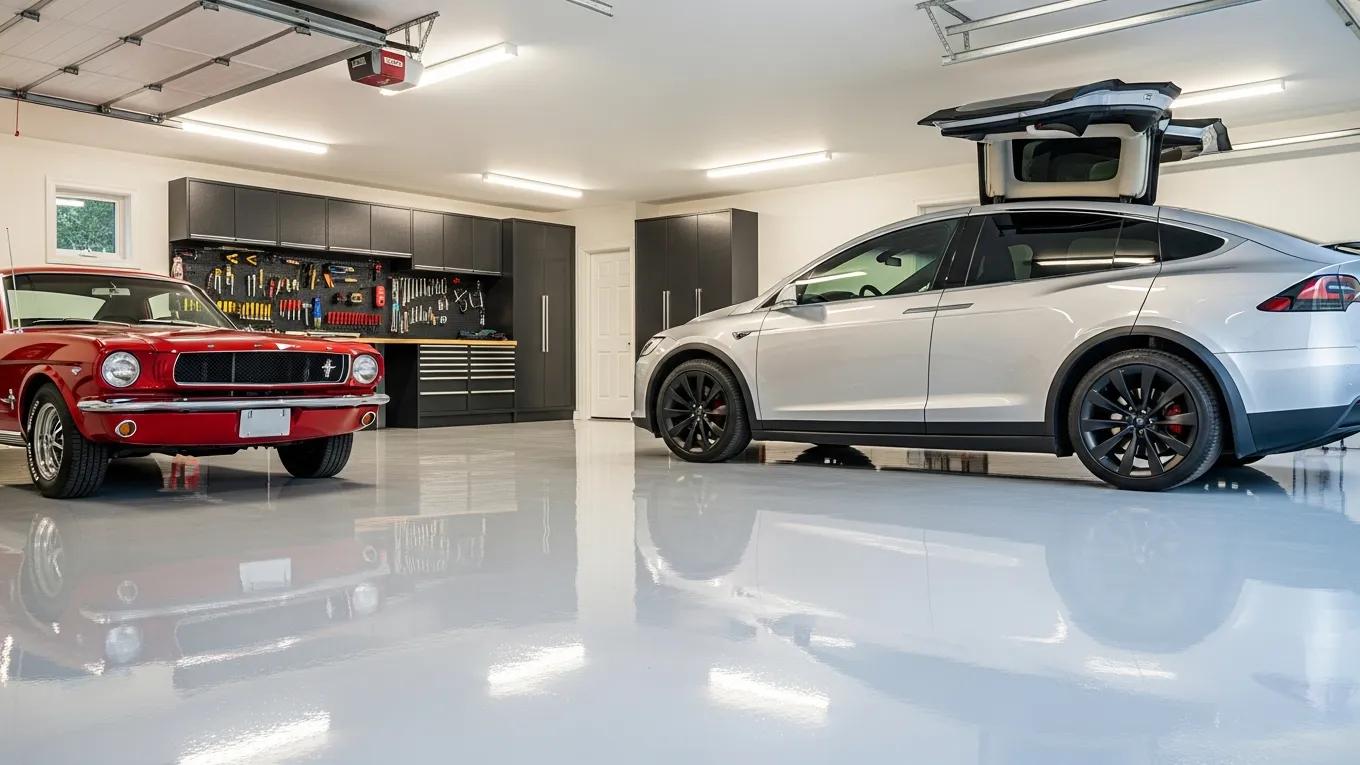
Design flexibility—multiple gloss levels, colour options, and decorative systems—lets you achieve a specified appearance without sacrificing performance, making polyaspartic systems a practical choice for both function and aesthetics.
What Are the Cost Considerations and Return on Investment for Polyaspartic Garage Floor Coatings in San Diego?
Project cost depends on area size, substrate condition, and installation complexity. Accurate budgeting accounts for surface repairs, moisture mitigation, and the selected finish system.
- Square Footage: The larger the area, the higher the overall cost, but economies of scale can apply.
- Condition of the Slab: If significant repairs are needed before application, this can increase costs.
- Installation Labor: Professional installation is recommended to ensure optimal results, which adds to the overall investment.
Although initial material and labour costs can exceed basic epoxy installations, the extended service life and reduced maintenance of polyaspartic floors often produce a favourable return on investment over time.
What Is the Professional Application Process for Polyaspartic Floor Coatings?
The professional application sequence is critical to performance and typically follows three principal stages:
- Surface Preparation: The existing concrete surface must be thoroughly cleaned and repaired to ensure proper adhesion.
- Application Techniques: The coating is typically applied in multiple layers, including a base coat and a topcoat, often with decorative flakes for added aesthetic appeal.
- Curing Times: While polyaspartic coatings cure quickly, it is essential to follow the manufacturer’s guidelines for optimal results.
Strict adherence to preparation protocols, measured material mixing, and controlled environment conditions ensures the installed system performs to its specified life cycle.
How Should Polyaspartic Garage Floors Be Maintained for Maximum Longevity?
Routine maintenance is straightforward and preserves the coating’s protective properties. Focused, regular care limits surface abrasion and chemical exposure.
- Regular Cleaning: Sweep and mop the floor regularly to remove dirt and debris.
- Avoid Harsh Chemicals: Use pH-neutral cleaners to prevent damage to the coating.
- Promptly Address Spills: Clean up spills immediately to prevent staining or damage.
Following these practices will help sustain the coating’s appearance and functional performance for years.
Recommended Cleaning and Care Practices for Durable Garage Floors
Use soft cleaning implements and mild detergents to avoid introducing abrasive wear. A scheduled cleaning routine reduces the accumulation of contaminants that accelerate deterioration.
- Use Soft Brooms or Mops: Avoid abrasive tools that can scratch the surface.
- Implement a Regular Schedule: Establish a routine cleaning schedule to prevent buildup.
- Inspect for Damage: Regularly check for signs of wear or damage and address them promptly.
Timely inspections and simple cleaning measures help maintain both visual quality and structural integrity of the floor system.
Signs of Wear and When to Schedule Refinishing Services
Early detection of coating degradation allows for targeted repairs and extends overall service life. Monitor the surface for specific indicators that require attention.
- Cracks: Small cracks can develop over time and may require attention.
- Pitting & Flaking: These issues indicate that the coating may be compromised.
- Stubborn Stains: Persistent stains may require professional cleaning or refinishing.
When these signs appear, schedule assessment and remedial work to prevent more extensive substrate damage and higher repair costs.
Why Choose Pristine Epoxy Floor Coatings for Polyaspartic Garage Floor Refinishing in San Diego?
Selecting Pristine Epoxy Floor Coatings ensures a methodical approach to specification, surface prep, and installation. The firm emphasises durable systems and adaptable finishes to meet project requirements.
Expertise, Certifications, and Industry Standards Compliance
Pristine Epoxy Floor Coatings maintains trained technicians and follows recognised industry standards. The team employs quality materials and up-to-date application methods to achieve consistent, code-compliant results in the San Diego market.
Customer Testimonials and Case Studies Demonstrating Project Success
Client feedback and documented case studies reflect real-world performance: customers cite durable results and improved aesthetics, supporting the company’s reputation for reliable installations.
To further enhance your garage space, consider exploring options like garage floor epoxy, which offers a variety of benefits and aesthetic options.
| Coating Type | Durability | UV Resistance | Curing Time |
|---|---|---|---|
| Polyaspartic | High | Excellent | 24 hours |
| Epoxy | Moderate | Moderate | 3-7 days |
For other flooring solutions, concrete polishing provides a low-maintenance, contemporary finish that enhances surface reflectivity and cleanliness.
If you need durable surfaces for business environments, commercial epoxy flooring delivers a robust, serviceable option for high-traffic applications.
For recreational facilities, pickleball court coatings supply a resilient, consistent playing surface designed for safety and longevity.
If you have questions or wish to discuss a project, please contact us to arrange a specification review or site assessment.
Frequently Asked Questions
What are the environmental benefits of using polyaspartic floor coatings?
Polyaspartic coatings typically contain lower volatile organic compound (VOC) levels than some traditional epoxies, reducing airborne emissions during application. Their extended service life also reduces the frequency of recoating and associated material use, which lowers lifecycle resource consumption.
Can polyaspartic coatings be applied in cold weather?
Yes. Polyaspartic systems generally perform across a wider temperature range than many epoxies, allowing application in cooler conditions. Always adhere to the manufacturer’s specified temperature and humidity limits to ensure proper adhesion and cure.
How do polyaspartic coatings compare in terms of slip resistance?
Slip resistance can be engineered into polyaspartic systems by adding controlled aggregates or anti-slip additives. These options create a textured profile that improves traction, particularly in areas prone to spills. Discuss target coefficient of friction values with your installer to select the appropriate additive.
What is the lifespan of polyaspartic floor coatings?
With correct installation and routine maintenance, polyaspartic coatings commonly deliver 10 to 20 years of service. Their resistance to abrasion, chemicals, and UV exposure contributes to long-term performance, while prompt repair of localized damage extends overall life.
Are there any specific tools or equipment needed for DIY application of polyaspartic coatings?
DIY application requires specialised equipment and strict substrate preparation. Typical tools include a concrete grinder for profile preparation, rollers or squeegees for application, a moisture meter to verify slab conditions, and appropriate personal protective equipment. For first-time users, professional installation is recommended due to material handling and timing demands.
What types of finishes are available with polyaspartic coatings?
Polyaspartic coatings are available in glossy, satin, and matte sheens, and can incorporate decorative flakes or metallic pigments for visual effect. Consult with a professional to match finish selection to performance requirements and aesthetic goals.
Conclusion
Polyaspartic floor coatings combine rapid cure, high durability, and aesthetic versatility, making them a practical choice for garage refinishing. When specified and installed correctly, they provide durable protection and reduced downtime. Engaging experienced professionals such as Pristine Epoxy Floor Coatings helps ensure specification accuracy and long-term performance. Contact a specialist to evaluate options and identify the system that meets your functional and aesthetic objectives.