27 Mar Understanding the Durability of Epoxy Flooring
Understanding the Durability of Epoxy Flooring
Enhance Your Epoxy Flooring Durability
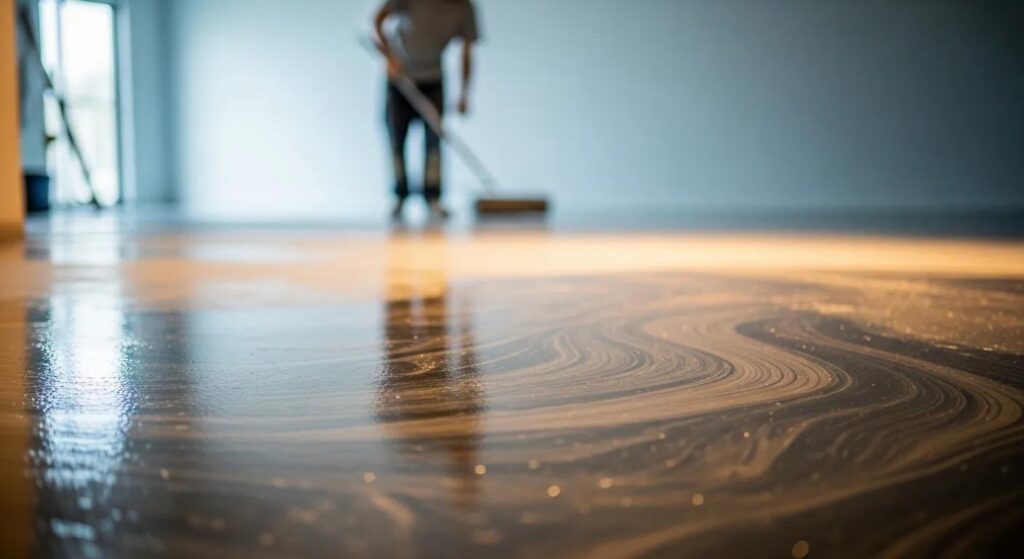
Epoxy flooring is renowned for its exceptional durability, making it a popular choice for both residential and commercial spaces. This article delves into the factors that influence the longevity of epoxy floor coatings, the role of composition and thickness, and the importance of proper maintenance. Many property owners face challenges with flooring that wears out quickly, leading to costly repairs and replacements. Understanding the durability of epoxy flooring can help mitigate these issues, providing a long-lasting solution. We will explore key aspects such as maintenance practices, benefits of industrial-grade options, and how to identify and repair common damages to ensure durable epoxy floors.
What Factors Determine the Lifespan of Epoxy Floor Coatings?
The lifespan of epoxy floor coatings is influenced by several critical factors. Surface preparation is paramount; a well-prepared substrate ensures a strong bond between the epoxy and the concrete, preventing issues like peeling and delamination. Additionally, the quality of the materials used plays a significant role. High-quality epoxy formulations, such as 100% solids epoxy, offer superior durability compared to lower-grade options. Lastly, the expertise of the installation team cannot be overlooked, as skilled application techniques can greatly enhance the longevity of the flooring and overall epoxy floor durability.
How Do Epoxy Composition and Thickness Affect Durability?
The composition and thickness of epoxy flooring directly impact its durability. Thicker coatings provide enhanced protection against wear and tear, making them more resistant to chemical spills and physical damage. For instance, a thicker layer can absorb impacts better, reducing the likelihood of cracks and chips. Moreover, specific formulations, such as polyaspartic coatings, offer additional benefits like faster curing times and improved UV resistance, which are essential for maintaining the aesthetic appeal of the flooring over time.
Further research highlights the crucial role of curing agents in enhancing the mechanical and thermal properties of epoxy resin systems, directly contributing to their overall durability.
Role of Curing Agents in Epoxy Resin Durability & Industrial Coatings
Curing agents are critical components of aqueous epoxy resin systems. In the presence of curing agents, epoxy resins become rigid and infusible. Eco-friendliness and mechanical functionality have emerged as vulcanization properties. The curing agent has superior construction and mechanical properties when compared to the commercial one, which suggests that it has the potential for use as the architectural and industrial coatings. This review focused on the most recent advancements in curing techniques, emphasizing their thermal and mechanical properties.
The epoxy resin system: function and role of curing agents, T Aziz, 2024
What Role Does Concrete Substrate Preparation Play in Longevity?
Concrete substrate preparation is crucial for the longevity of epoxy flooring. Proper preparation involves cleaning the surface, repairing any cracks, and ensuring it is free from moisture and contaminants. This process creates a strong bond between the epoxy and the concrete, which is essential for preventing peeling and delamination. A well-prepared substrate acts as a solid foundation, allowing the epoxy to perform optimally and extend its lifespan significantly, thereby enhancing the durability of epoxy flooring.
How Can Proper Maintenance Extend the Life of Epoxy Floors?
Regular maintenance is vital for extending the life of epoxy floors. Implementing a consistent cleaning routine helps prevent dirt and grime buildup, which can wear down the surface over time. Promptly addressing spills is also crucial; cleaning up chemical or oil spills immediately can prevent staining and damage. Additionally, using appropriate cleaning solutions designed for epoxy surfaces can help maintain their integrity without causing harm.
| Maintenance Practice | Frequency | Effectiveness |
|---|---|---|
| Regular cleaning | Weekly | High |
| Prompt spill cleanup | As needed | Very High |
| Use of appropriate cleaners | Monthly | High |
These practices not only enhance the appearance of the flooring but also contribute to its overall durability, ensuring durable epoxy floors that last.
What Are Essential Epoxy Floor Maintenance Tips for Homeowners and Businesses?
Homeowners and businesses can follow several essential maintenance tips to ensure their epoxy floors remain in excellent condition:
- Dust Mopping: Regular dust mopping helps remove dirt and debris that can scratch the surface.
- Immediate Spill Cleanup: Addressing spills as soon as they occur prevents staining and damage.
- Avoiding Abrasive Tools: Using non-abrasive cleaning tools protects the epoxy surface from scratches.
By adhering to these maintenance tips, property owners can significantly extend the lifespan and epoxy floor durability of their flooring.
How to Identify and Repair Common Epoxy Floor Damages?
Identifying and repairing common damages in epoxy flooring is essential for maintaining its durability. Property owners should regularly inspect their floors for signs of wear, such as cracks, chips, or discoloration. If damages are detected, it is crucial to address them promptly. For minor cracks, a simple epoxy repair kit can be used to fill in the gaps. However, for more extensive damage, it may be necessary to consult a professional for a thorough assessment and repair.
Effective repair strategies are rooted in understanding the underlying causes of damage, as detailed by studies on maximizing the service life of industrial epoxy floor coatings.
Maximizing Epoxy Floor Lifespan Through Anomaly Diagnosis & Repair
The identification of the causes associated with the anomalies allows their effective repair and of epoxy resin floor coatings in industrial buildings in order to maximize their service life.
Inspection and diagnosis of epoxy resin industrial floor coatings, J Garcia, 2008
Beyond general repairs, specialized epoxy adhesives are also vital for addressing specific issues like thermal shock resistance in damaged concrete floors.
Epoxy Adhesives for Concrete Floor Repair & Thermal Shock Resistance
Moreover, resistance to thermal shock, one of the most important parameters of epoxy floors, of renovating floors, including the assessment of their condition, the repair methods, their
An innovative way to repair damaged concrete floors using epoxy adhesives: a case study of its technical assessment and renovation, Ł Kampa, 2023
Essential Epoxy Floor Maintenance Tips for Homeowners & Businesses
Industrial-grade epoxy flooring offers several advantages over traditional flooring materials. These benefits include:
- Superior Durability: Industrial-grade epoxy is designed to withstand heavy foot traffic and impacts, making it ideal for commercial settings.
- Chemical and Stain Resistance: This type of flooring is highly resistant to chemicals, oils, and stains, ensuring it maintains its appearance over time.
- Enhanced Safety Features: Many industrial-grade options come with slip-resistant finishes, providing added safety in high-traffic areas.
Pristine Epoxy Floor Coatings specializes in providing high-performance, long-lasting epoxy flooring solutions tailored to meet the specific needs of both residential and commercial properties. Their expert craftsmanship and customized coating options ensure that clients receive the best possible results. For those interested in exploring durable epoxy floors and epoxy floor durability solutions, Pristine Epoxy Floor Coatings encourages free consultations and quotes to tailor solutions to client needs.
How Does Epoxy Flooring Resist Chemical and Abrasion Damage?
Epoxy flooring is engineered to resist chemical and abrasion damage through its unique composition. The non-porous nature of epoxy creates a barrier that prevents liquids from penetrating the surface, thereby protecting it from stains and chemical damage. Additionally, the hard surface of epoxy provides excellent resistance to abrasion, making it suitable for environments with heavy machinery or foot traffic. This durability ensures that epoxy floors maintain their integrity and appearance over time, contributing to the overall durability of epoxy flooring.
What Is the Return on Investment for Durable Epoxy Floor Coatings?
Investing in durable epoxy floor coatings can yield significant returns for property owners. The long-term financial benefits include reduced maintenance and repair costs, as well as increased property value. Durable epoxy flooring minimizes the need for frequent replacements, which can be costly and disruptive. Furthermore, the aesthetic appeal of epoxy flooring can enhance the overall value of a property, making it a wise investment for both residential and commercial spaces.
In conclusion, understanding the durability of epoxy flooring involves recognizing the factors that influence its lifespan, the importance of proper maintenance, and the benefits of choosing high-quality materials. By following best practices and investing in expert services, property owners can enjoy the long-lasting advantages of durable epoxy floors and superior epoxy floor durability.