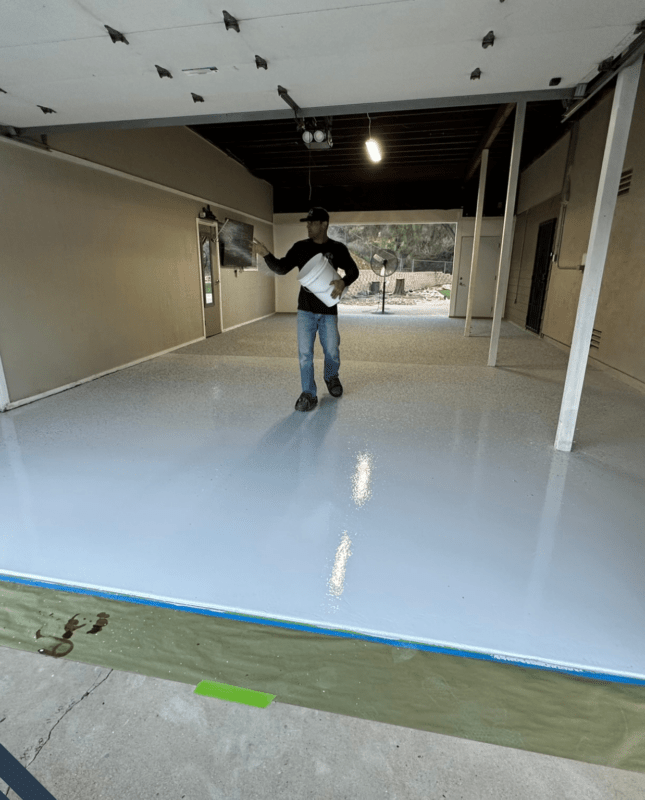
Benefits of Epoxy Flooring for Commercial Spaces
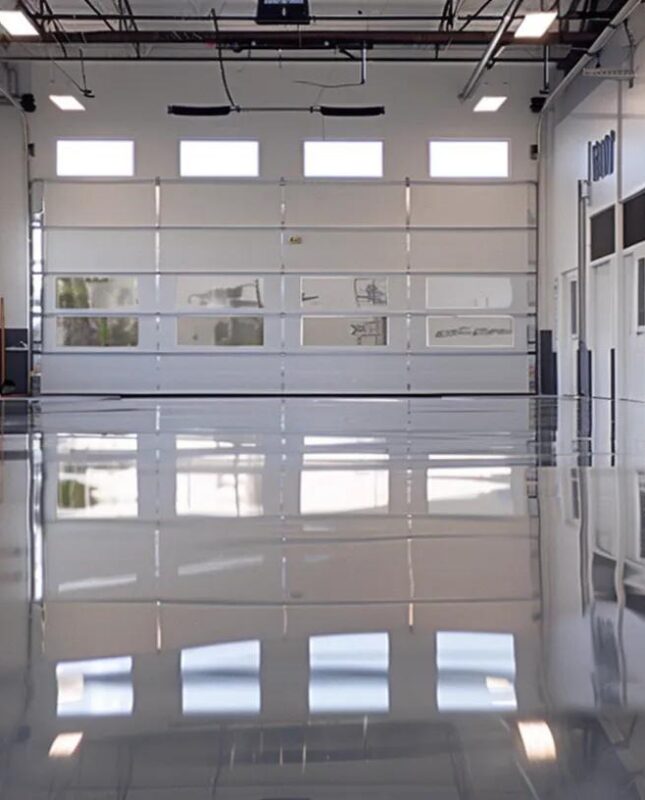
Epoxy flooring offers numerous advantages for commercial spaces, including durability, ease of maintenance, and aesthetic appeal. These floors can withstand heavy foot traffic and resist chemicals, making them ideal for restaurants, warehouses, and retail environments.
Additionally, epoxy flooring is available in various colors and finishes, allowing businesses to create a polished look that aligns with their branding. Its seamless nature also minimizes dirt accumulation, promoting a cleaner and safer environment for both employees and customers.
Understanding Epoxy Flooring Installation Process
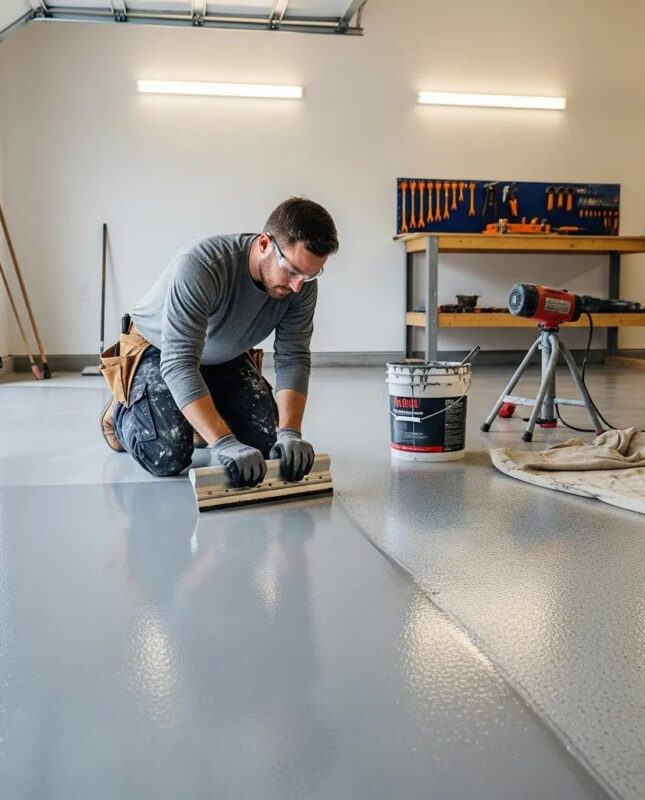
The installation process of epoxy flooring involves several critical steps to ensure a durable and long-lasting finish. Initially, the existing floor surface must be properly prepared, which may include cleaning, grinding, and repairing any imperfections to achieve optimal adhesion.
Once the surface is ready, a primer is applied, followed by multiple layers of epoxy resin. Each layer must cure adequately before the next is applied, ensuring a robust finish. This meticulous process is essential for achieving the high-performance characteristics that make epoxy flooring a preferred choice in many settings.
Comparing Epoxy Flooring to Other Flooring Options
When considering flooring solutions, it’s essential to compare epoxy flooring with other materials like vinyl, tile, or concrete. While alternatives may offer varying aesthetics or costs, epoxy stands out for its superior durability and resistance to stains and spills.
Moreover, epoxy flooring typically has a lower lifecycle cost due to its longevity and minimal maintenance requirements. This makes it a smart investment for businesses looking to balance quality and budget over time.
Common Misconceptions About Epoxy Flooring
Despite its popularity, there are several misconceptions about epoxy flooring that can deter potential buyers. One common myth is that epoxy floors are slippery, but in reality, they can be treated with anti-slip additives to enhance safety in high-traffic areas.
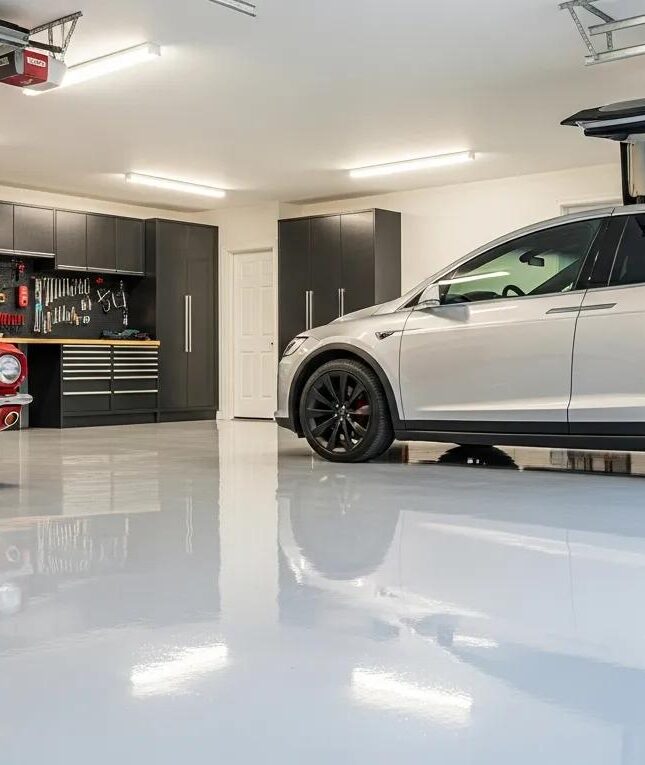
Another misconception is that epoxy flooring is only suitable for industrial applications. In truth, its versatility makes it an excellent choice for residential spaces, such as garages and basements, providing both functionality and aesthetic appeal.